How to Choose the Right Quad Bike Experience in Dubai
Choosing a quad bike experience is less about picking the fastest machine and more about matching the ride to your confidence, the terrain, and the level of support you want. Dubai desert outings can feel very different depending on the route, the bike class, the pace, and the size of the group. A clear comparison before you book makes the day safer and far more enjoyable.
Start with your real riding experience
Be honest about what you can handle before looking at bike types. A first timer should not choose a powerful machine just because it looks impressive in photos. Quad bikes can be stable, but they still need balance, steering control, and quick decisions when the ground changes. If you have only ridden on paved areas, treat desert riding as a new skill rather than an extension of road driving.
Think about how you respond to uneven ground, dust, and other riders. If you prefer a calm pace and clear instructions, a guided tour is usually a better fit than a fast open ride. Riders with more experience may want a longer route with varied desert terrain, but skill still matters more than bravado. When comparing quad biking dubai options, check whether the ride is described as beginner friendly, intermediate, or suitable only for experienced riders.
Match the bike size to the rider
Quad bike types are often grouped by engine size, physical size, and intended use. Smaller machines are easier to manage for new riders, while larger ones carry more speed and need stronger control. Height and reach matter too. A rider should be able to sit with both feet planted comfortably, reach the handlebars without stretching, and feel steady when stopping.
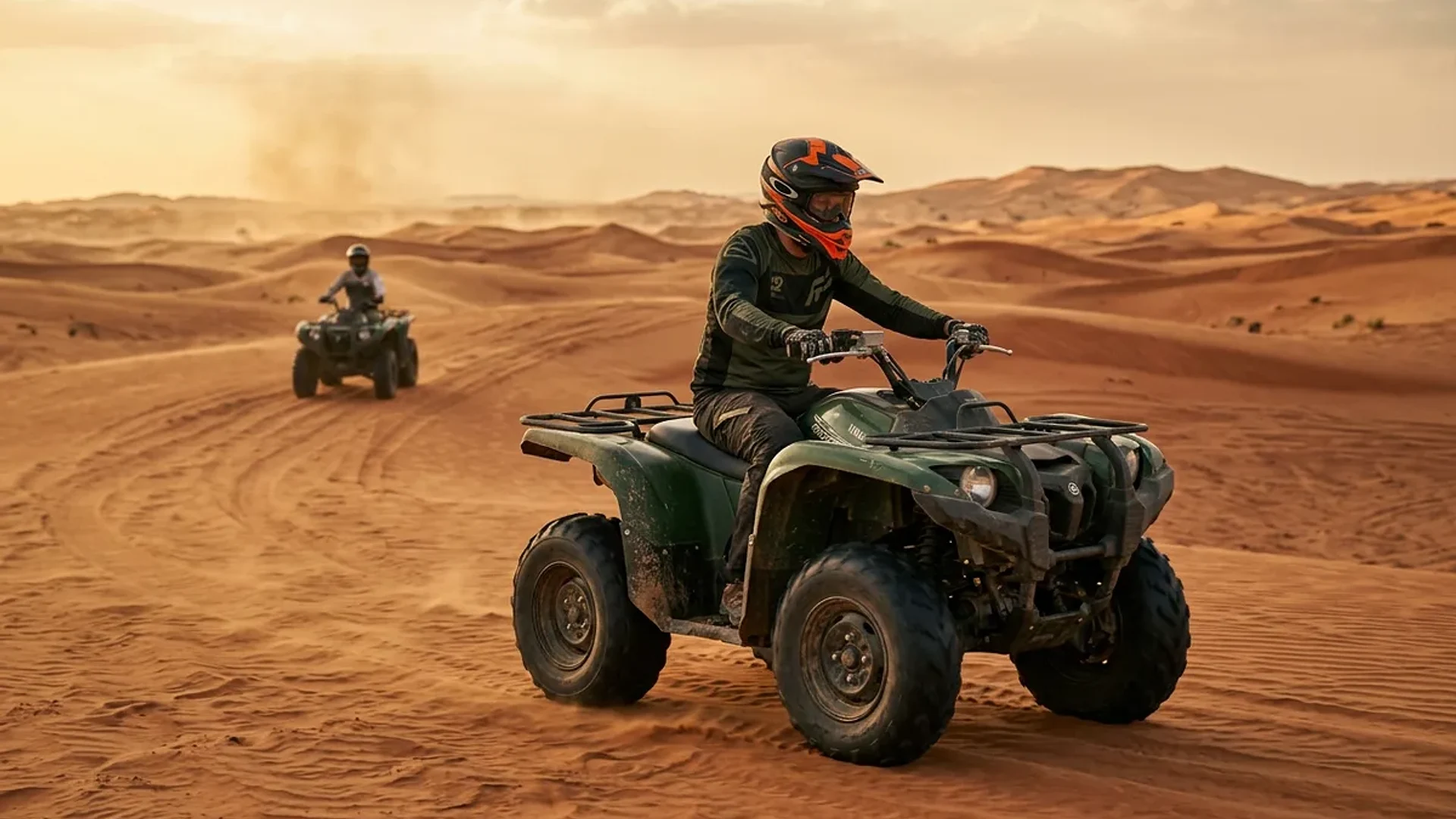
Watch for a poor match between rider and machine. If the bike feels too large, every turn becomes a struggle. If it feels too small, the rider may cramp up or lose confidence over long sections. Ask what models are used and whether the operator can suggest a suitable class based on height, age, and riding background. Avoid choosing purely by engine size, since a bigger engine does not automatically mean a better experience.
Check what is included in the ride
Two outings can look similar online but differ a lot in practice. One may be a short session with basic instructions, while another may include a longer route, stops, and a slower briefing before departure. Look for details that affect the actual ride: route length, time spent riding, group size, whether there are pauses, and how the pace is managed.
A good comparison also looks at the structure of the outing. A guided tour can help newer riders understand how to handle sand, when to slow down, and how to keep a safe distance from others. If dune bashing is part of a wider desert safari, check whether the quad segment is separate from the vehicle portion. That distinction matters because the two activities ask for different levels of comfort and attention.
Look closely at safety standards
Safety should shape the decision from the start. A safety helmet should fit properly, sit level, and stay secure without wobbling. Protective gear such as gloves, eye protection, and covered footwear can make a real difference in sand, especially when wind lifts dust or loose stones. Loose clothing, scarves, and dangling accessories can catch on controls, so practical clothing is the better choice.
Before committing, ask how instructions are given, how riders are briefed, and what happens if someone feels uncomfortable during the ride. Clear rules on spacing, hand signals, and stopping are signs of a well managed outing. The best choice is not the one that promises the most speed, but the one that keeps control predictable across the group.
For many visitors, quad biking dubai is a chance to try something active in a landscape that feels far removed from the city. That is exactly why the safety details deserve attention. Desert conditions change through the day, and a sensible operator will adjust pace and route rather than push riders beyond their limits.
Understand the terrain and pace
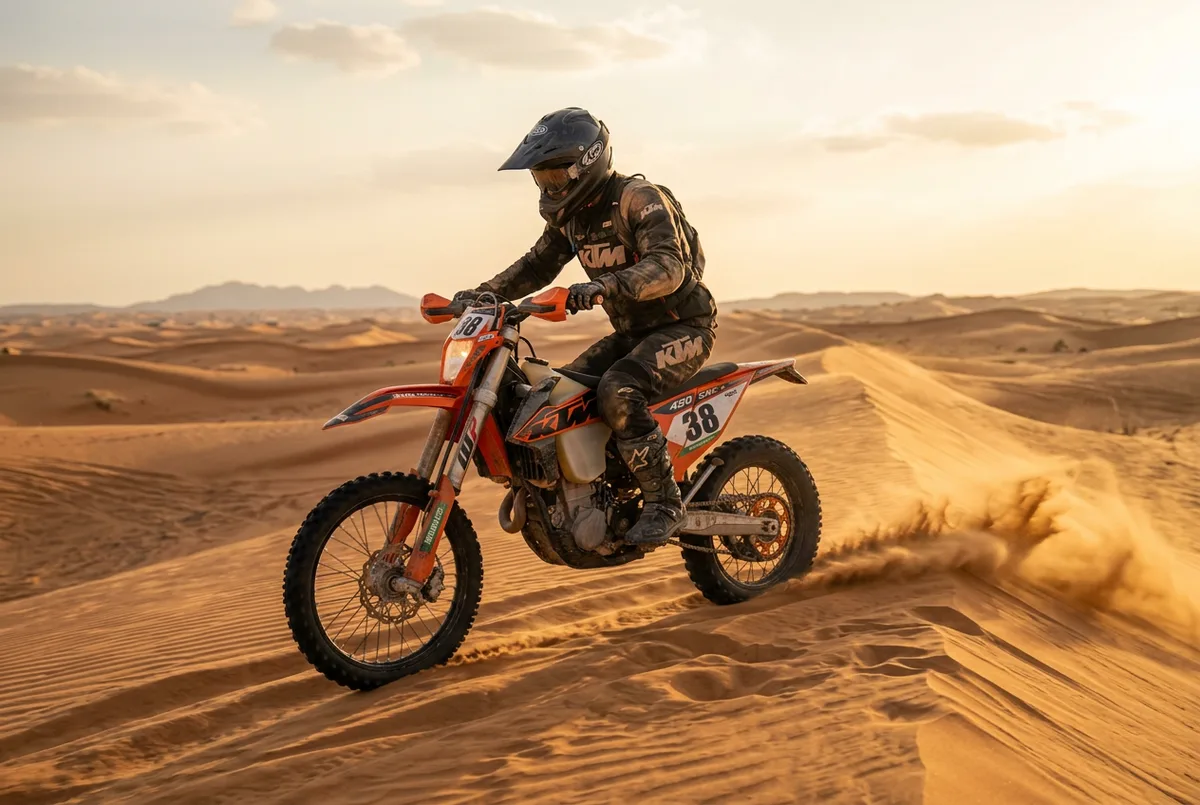
Desert terrain is not all the same. Firm sand can feel straightforward, while soft sand demands smoother steering and steady momentum. Slopes, hidden dips, and loose surfaces can surprise a rider who expects flat ground. If the route includes dunes, ask how difficult they are and whether there is an easier option.
Pace is another point to compare. A ride that constantly speeds up may be exciting for confident riders but stressful for others. A balanced outing gives people time to settle, look ahead, and respond calmly. Speed limits and internal rules may apply, and they exist to protect riders and the surrounding area. Watch for operators that respect those limits rather than treating speed as the main selling point.
Compare time, location, and comfort
Think about the whole outing, not just the bike. Travel time, arrival arrangements, shade, water, and waiting areas can affect how comfortable the experience feels. A longer transfer may reduce the time available for riding, while a poorly timed arrival can mean harsher heat or less relaxed conditions. If the ride is part of a desert safari, check how much time is actually set aside for the quad portion.
Group size also changes the feel of the day. A smaller group often means clearer communication and less pressure, while a larger group may feel lively but can reduce flexibility. Ask whether riders are split by ability. Mixing complete beginners with aggressive riders can make the route less enjoyable for everyone.
Read the booking terms before paying
The final step is to read the terms with care. Look for age rules, height or weight guidance, what happens if weather affects the outing, and whether the ride can be changed if conditions are unsuitable. Clear terms are a useful sign because they set expectations before arrival.
Be cautious of vague claims that do not explain the ride itself. A useful listing should tell you what kind of experience to expect, what gear is provided, and what riders need to bring. If something sounds unclear, ask before booking rather than on the day. The right choice should feel steady from the first question to the final briefing.
A sensible decision comes from matching four things: the rider, the machine, the route, and the level of guidance. When those fit together, the ride feels controlled and rewarding. Take the time to compare those details, and the final choice will rest on clear judgment rather than a flashy description.